Written by Deniz Ölmez
If you step into a modern QA team today, you might not immediately see the change. People still review requirements, analyse risks, discuss defects. But look a little closer and something subtle is happening: AI is running alongside them, suggesting test ideas, rewriting brittle selectors, clustering logs, offering insights before anyone even asks.
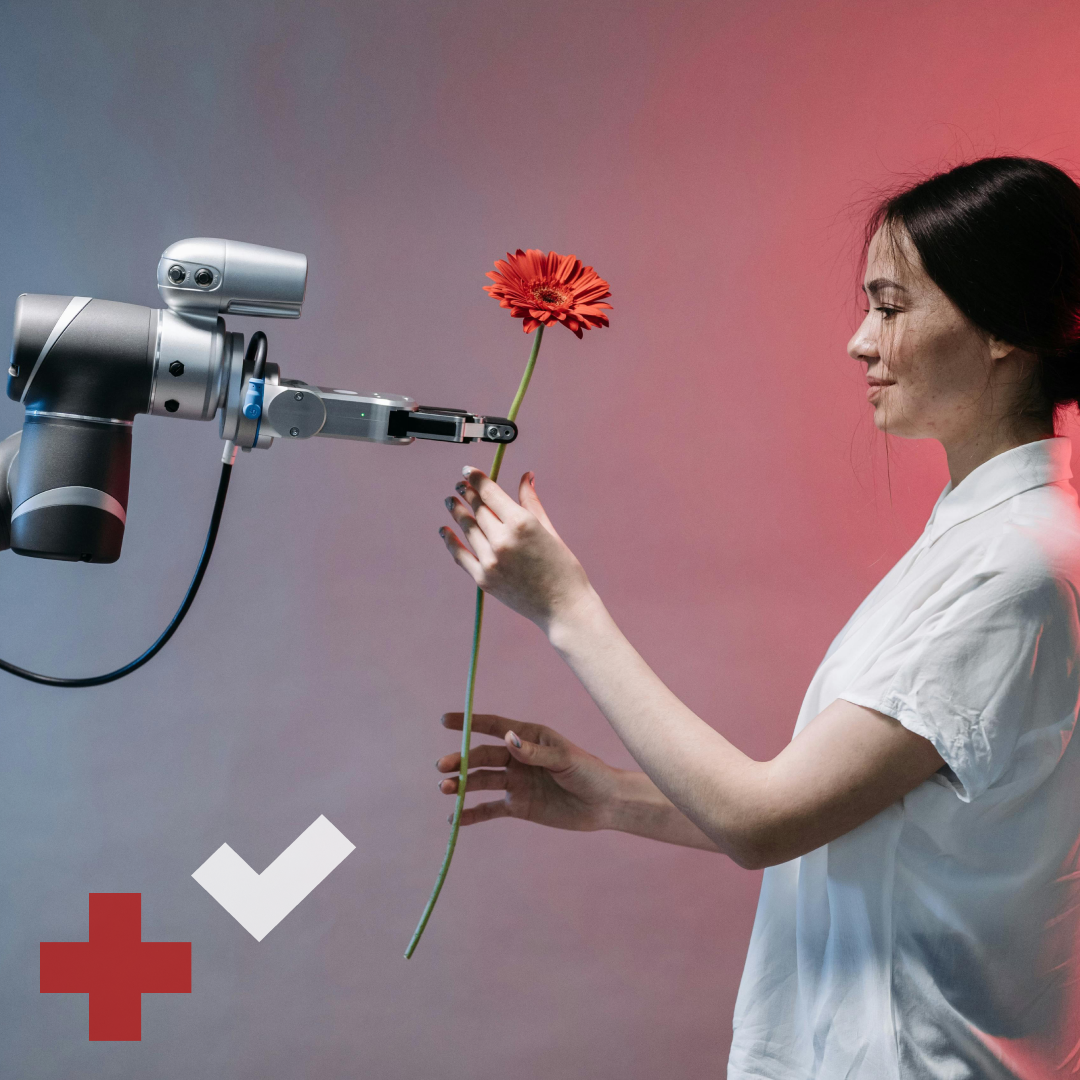
Unlike past shifts in tooling, this one feels less like replacement and more like partnership. AI doesn’t remove testers – it removes friction. It clears the clutter so humans can spend more time on the things that uniquely require judgement, empathy, or curiosity.
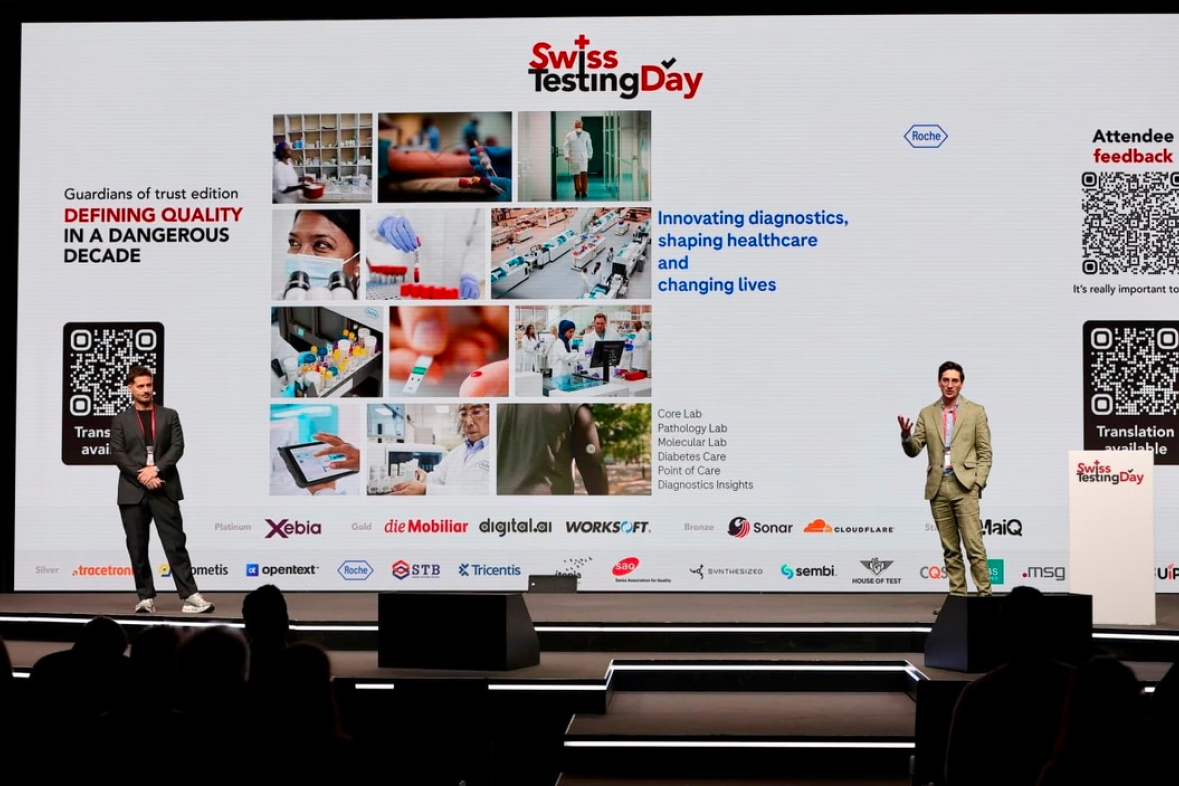
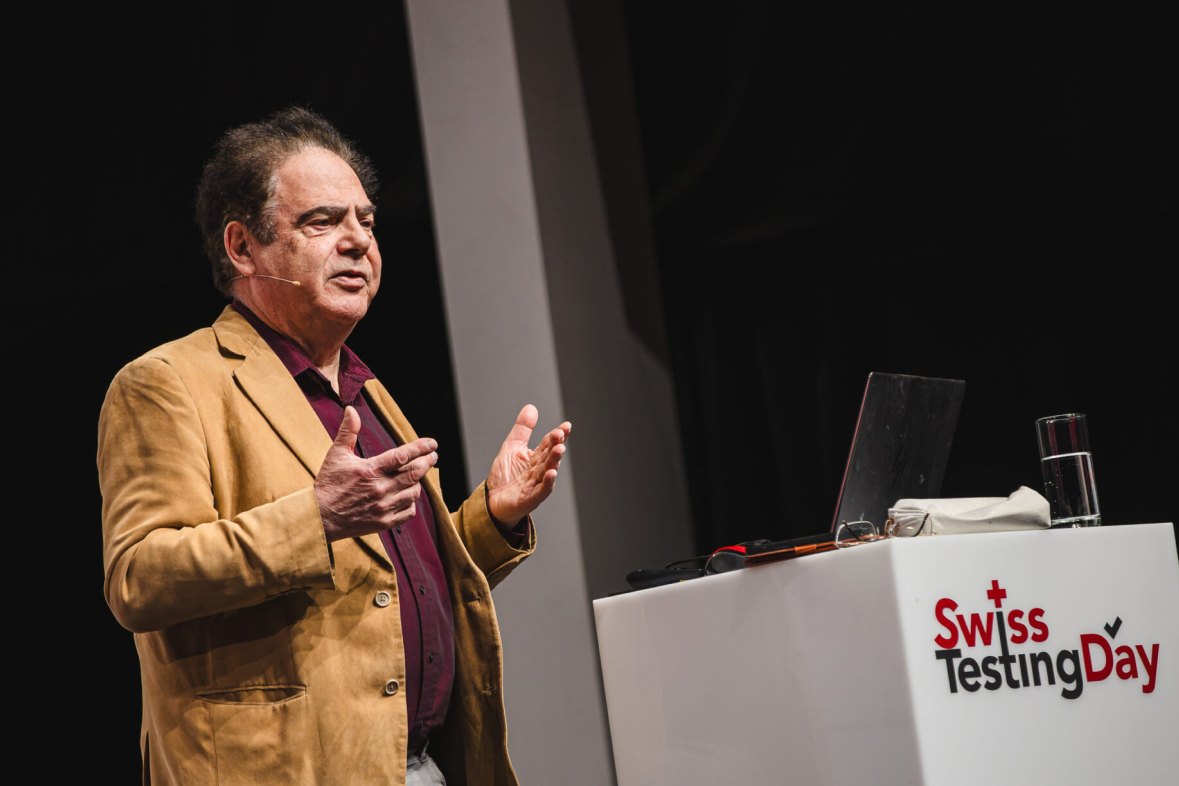
The focus of multiple sessions at Swiss Testing Day 2026 makes it clear that many teams share similar experiences. Developers start test design sessions with AI-generated drafts, then refine them based on domain knowledge. Exploratory testers use AI as a sparring partner – a tool that proposes unusual paths or surfaces overlooked scenarios. Test leads rely on AI summaries to understand trends quickly and decide where deeper investigation is needed.
The biggest transformation isn’t technical; it’s cultural. Teams learn to ask new questions: When should we trust AI? When should we challenge it? Which tasks remain strictly human? These boundaries are becoming part of the craft of testing, just as much as automation strategy or exploratory heuristics.
As AI becomes part of daily work, testers are developing skills that didn’t exist a few years ago: prompting as a form of analysis, reading AI-generated insights with a critical eye, and explaining algorithmic behaviour in language that resonates with stakeholders who aren’t technical.
The result is a shift in identity. Testers move closer to roles centred on quality leadership – people who guide both humans and machines toward better decisions. AI becomes a co-pilot, not a driver.
The work of QA is still recognisably human. It is still about understanding risk, caring about users, and noticing what others overlook. AI simply amplifies those strengths. And as we enter a new decade of tool-supported testing, the teams that thrive will be the ones that learn not just how to use AI, but how to work with it.
Join Us at Swiss Testing Day 2026
Curious about how to bring AI into your testing processes? Join us on March 26th in Zurich for the Swiss Testing Day 2026! This is your chance to connect with industry leaders, share insights, and explore innovative solutions shaping the future of software testing.
Whether you’re an experienced tester or just starting out, there’s something for everyone. Plus, you’ll have the opportunity to network with professionals who are just as passionate about quality assurance as you are.
Limited tickets remaining.